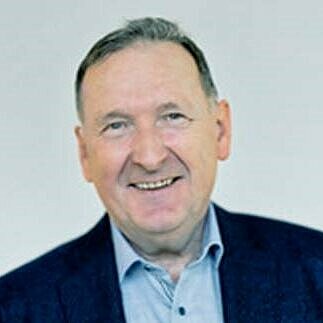
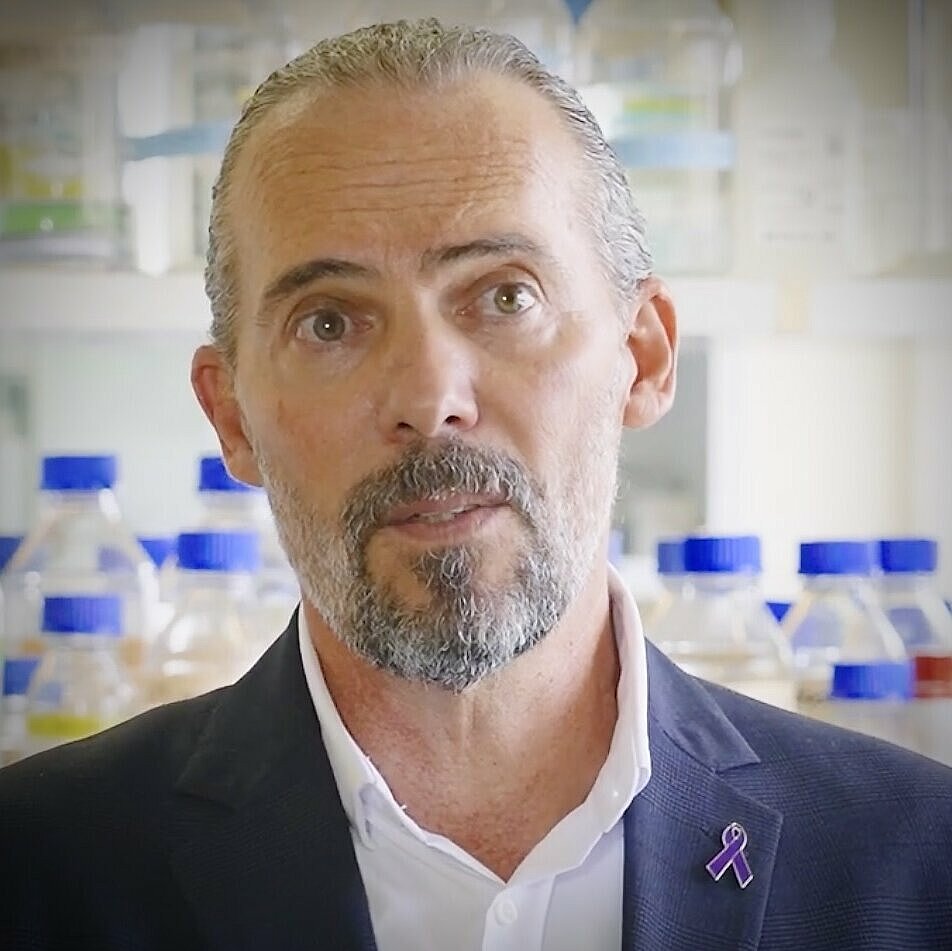
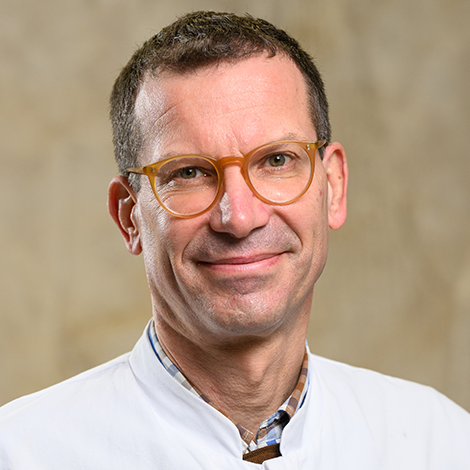
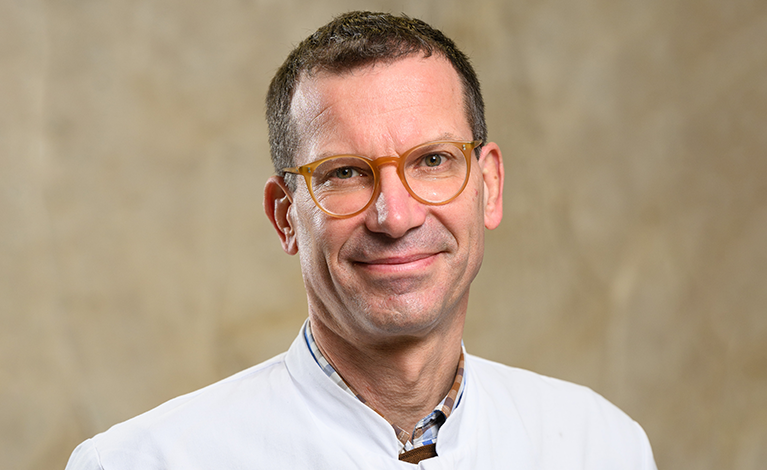
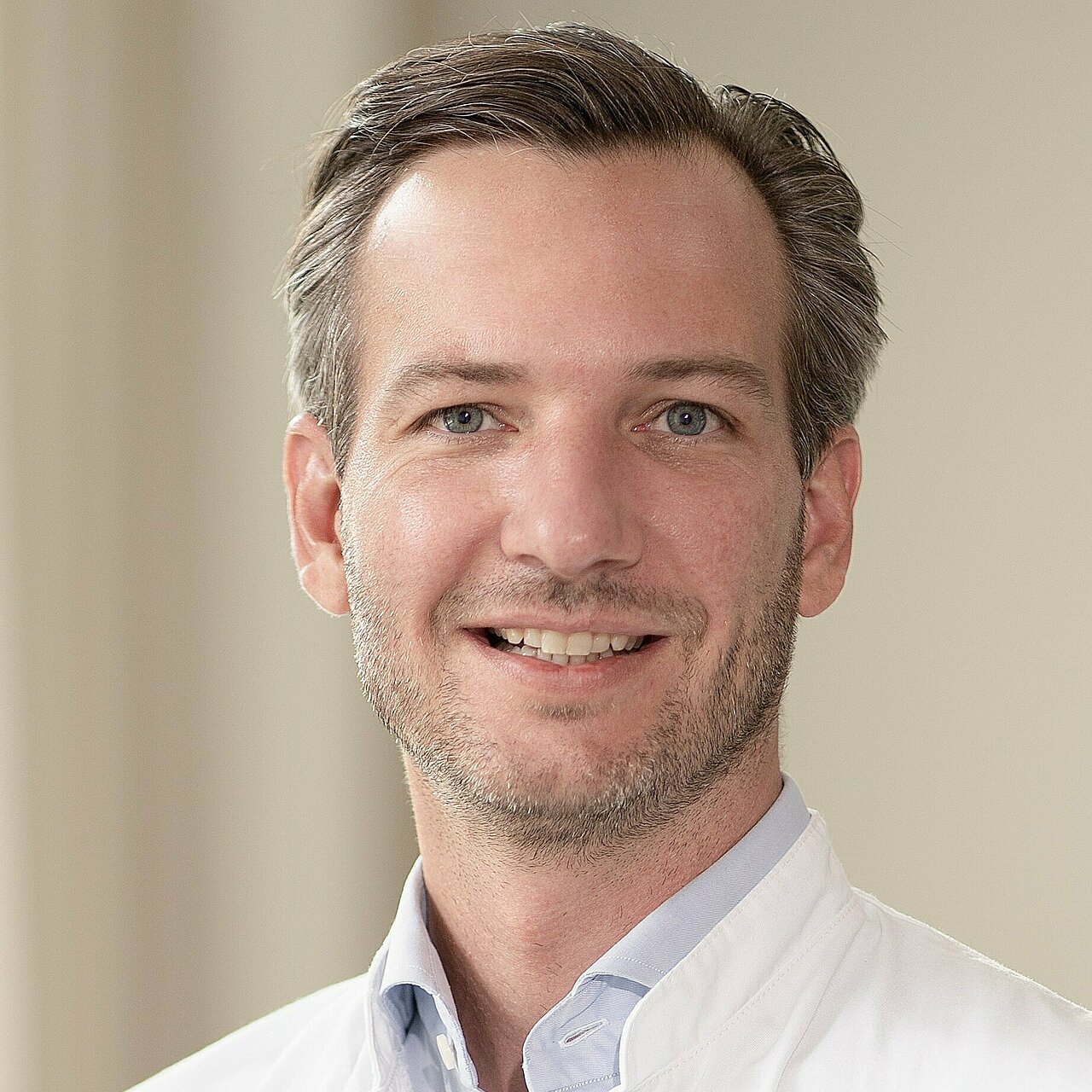
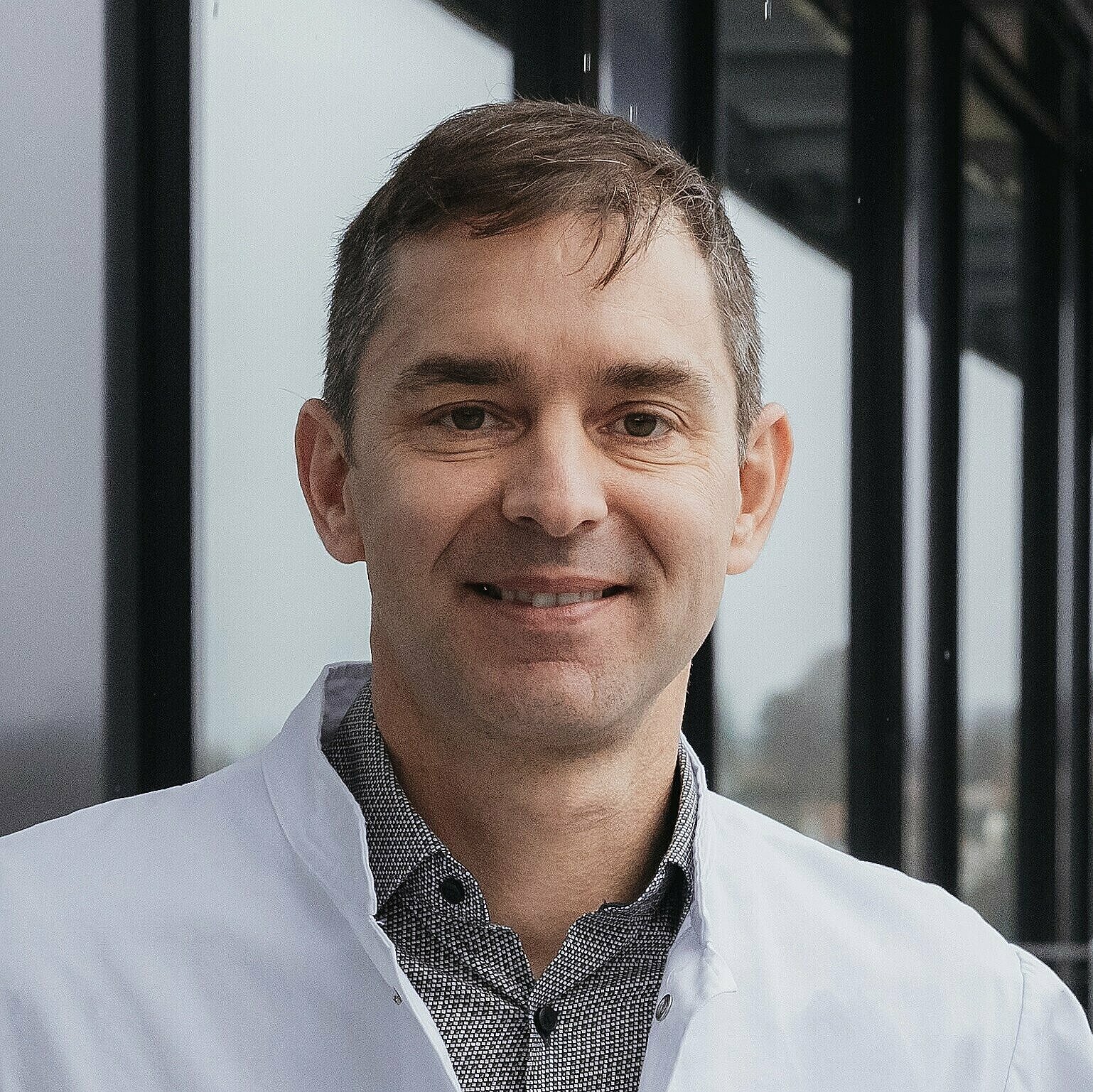
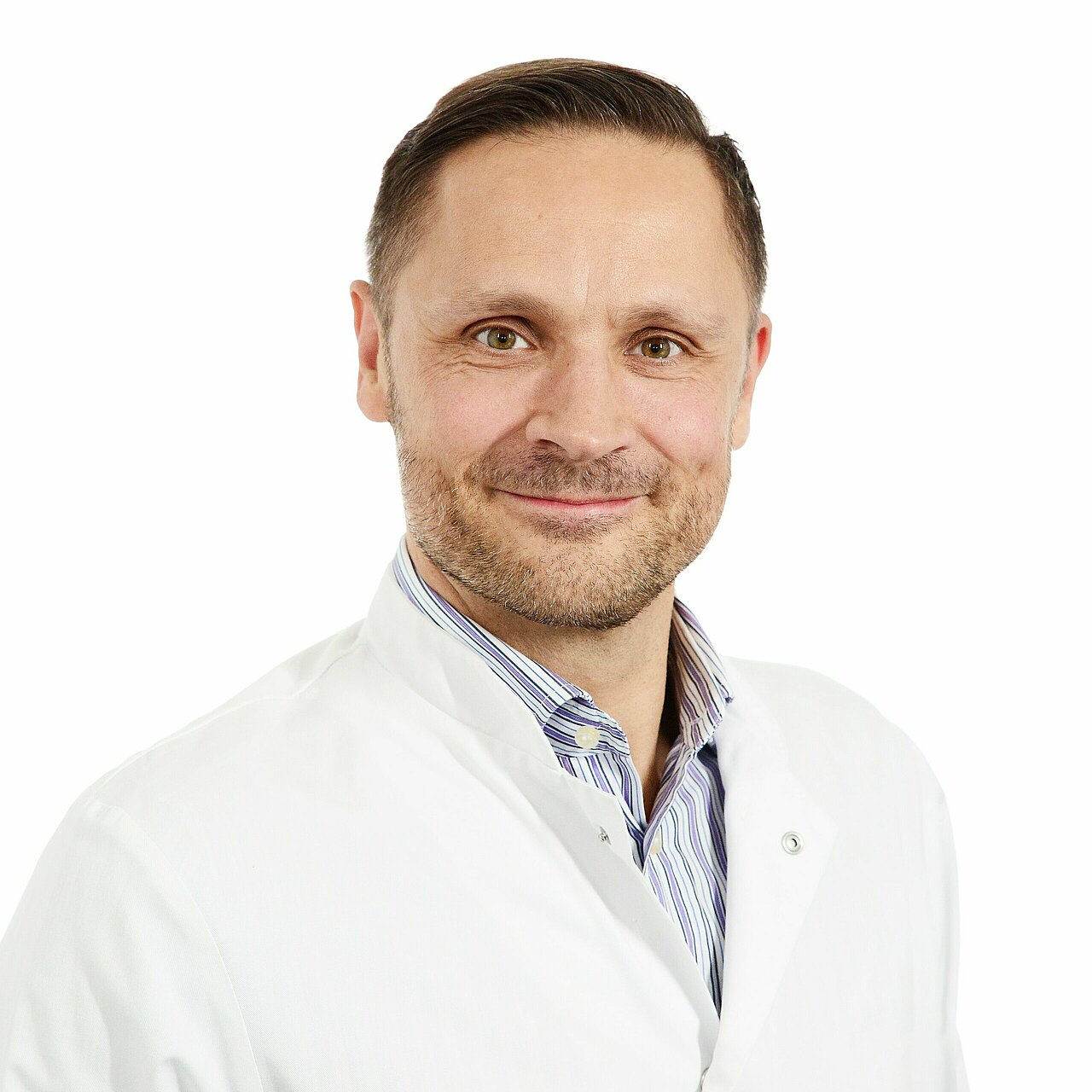
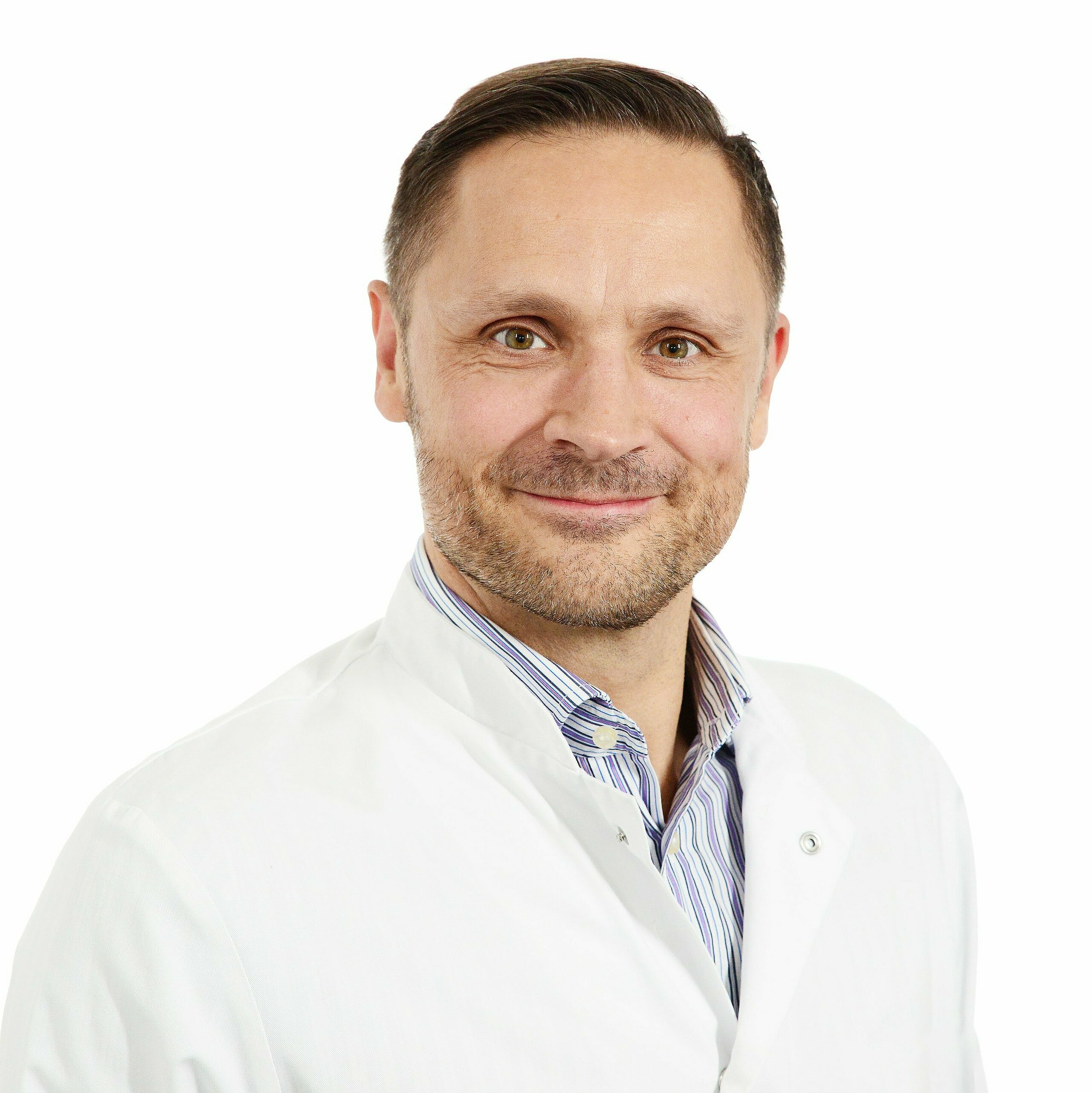
Max Reichert is a physician-scientist, gastroenterologist, and Professor of Translational Pancreatic Cancer Research at the Technical University of Munich (TUM). He is a Director of the TUM Center for Organoid Systems (COS), heads the Pancreatic Cancer Outpatient Clinic at the TUM Comprehensive Cancer Center, and serves as Chair of the ESPAC Translational Committee. He founded the Center for Translational Pancreatic Cancer Research at TUM University Hospital and established its key translational infrastructure, the TUM Patient-Derived Organoid Repository.
His research focuses on cellular plasticity and intra-tumoral heterogeneity in pancreatic cancer and their roles in tumor initiation, metastatic dissemination, and therapy resistance. His group develops and applies advanced patient-derived organoid and in vivo models to dissect complex tumor biology and translate mechanistic discoveries into precision oncology strategies. His work has contributed to defining the role of cellular plasticity in metastatic organotropism and to understanding how the broader tumor ecosystem shapes cancer progression, dissemination, and therapeutic response. A central goal of his research is to uncover therapeutically exploitable vulnerabilities and translate these findings into clinical trials and improved treatment strategies for patients with pancreatic cancer.
Max studied medicine at Heidelberg University and TUM, graduating from TUM summa cum laude. During his postdoctoral fellowship at the University of Pennsylvania in the laboratory of Anil K. Rustgi, he identified mechanisms of transcriptional regulation underlying pancreatic cancer cell plasticity using three-dimensional culture models. After returning to TUM, he received the prestigious Max Eder Fellowship from German Cancer Aid and completed his clinical training in gastroenterology while establishing patient-derived organoid technologies for translational cancer research. He subsequently became Professor of Translational Pancreatic Cancer Research and a Director of the TUM Center for Organoid Systems. Today, he leads translational and technology-development laboratories across TUM’s University Hospital and Natural Sciences campuses, bridging fundamental cancer biology, organoid technology, precision oncology, and clinical care